
Air vs sea freight from China depends on carton data, urgency, and risk
Use this page before supplier payment to decide whether a 1688 or China order should be reviewed as express, air freight, sea/LCL, or a warehouse handoff route.
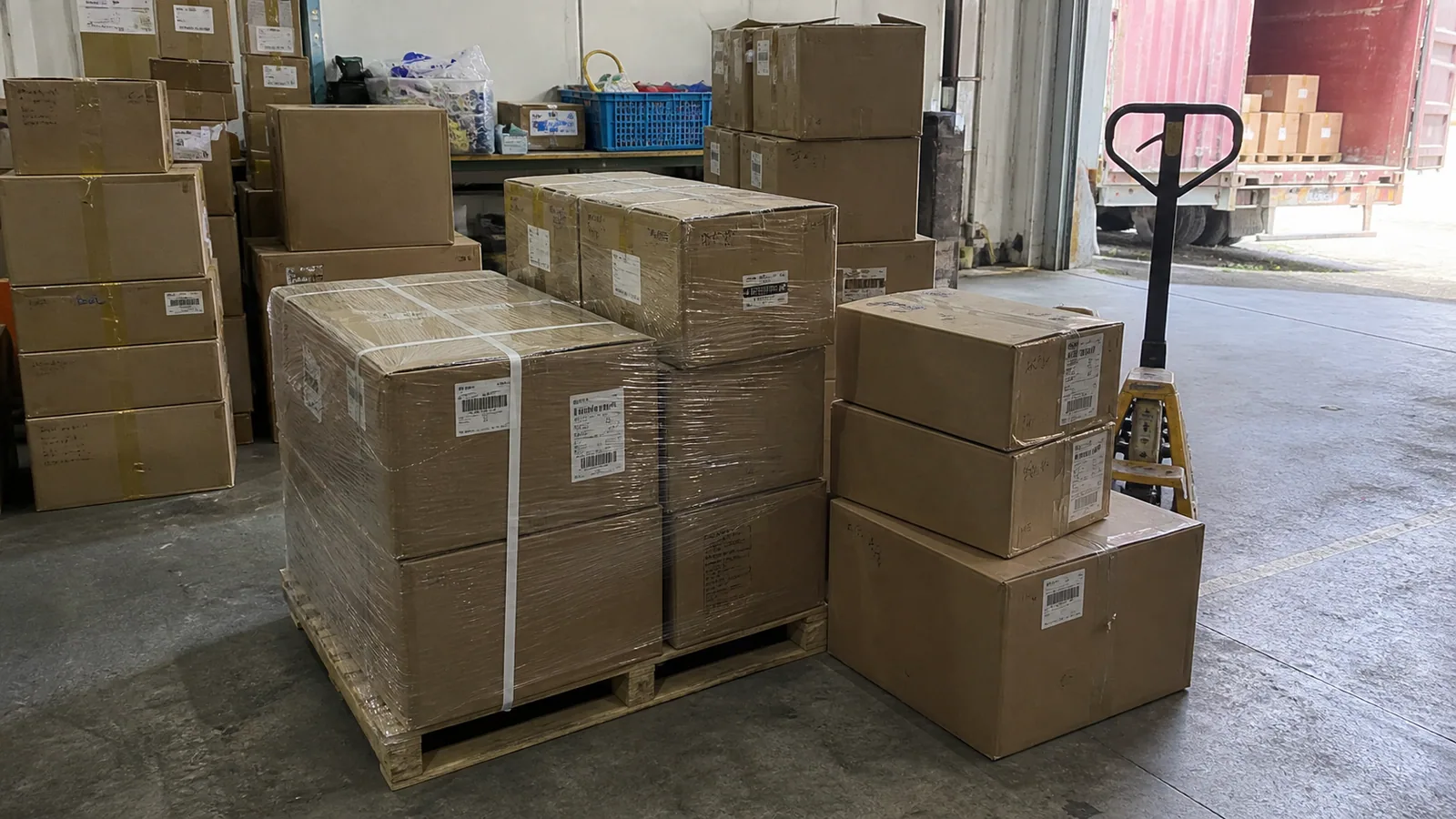
Route choice starts with package proof
The same product can change route after carton dimensions, weight, deadline, and warehouse rules are visible.
Compare
Express, air freight, sea/LCL, consolidation, and 3PL or FBA handoff
Need first
Destination, deadline, carton dimensions, carton count, gross weight, product risk, and receiving rules
Boundary
Route guidance only; no fixed freight price, delivery time, customs clearance, or carrier acceptance guarantee
Decision tool
Check shipping route
Use the fields below to expose missing data, risk tags, next questions, and the manual review boundary before supplier payment.
Shipping mode
Carton dimensions (cm)
Length
Width
Height
Carton count
Gross / carton (kg)
Container
Charged by CBM (volume), not volumetric weight
Total CBM
28.8 m³
Chargeable wt
4500 kg
Volumetric wt
28.8 kg
Actual wt
4500 kg
Quick answer
Air or sea freight for this shipment?
Before supplier payment
A sourcing page should end in a decision, not a vague promise
Every Supplymo page should help you decide whether to continue, sample first, request information, request a quote, manually review, or stop before paying a supplier.
Before supplier payment system
Product check first. Supplier payment only after the decision is clear.
Supplymo is not an open-ended sourcing promise. It is a pre-payment decision workflow: collect the product clue, expose missing fields and risk, then decide whether to stop, sample, quote, or move into assisted ordering.
Submit one product clue
Send a 1688, Shopify, AliExpress, CJ, Amazon, TikTok Shop link, image clue, keyword, quantity, destination, or prep note.
Get a written pre-payment check
Supplymo separates match quality, MOQ pressure, landed cost assumptions, prep needs, supplier signals, missing fields, and risk flags.
Choose the next action
The output says continue, sample first, request info, request quote, manual review, change route, or stop before supplier payment.
Trust boundary
No supplier payment is created by submitting a product clue.
No lowest-price, supplier-quality, customs, tax, freight, delivery-time, or platform-approval guarantee.
Manual review is required when product, supplier, customs, prep, route, or restricted-goods signals are unclear.
Output
Written decision record, not a fake final quote.
Handoff
Human review when facts are missing or risk is high.
Best fit
Best for sellers choosing a route before the first order
This page is a decision guide, not a freight-rate table. It helps you find missing fields and decide which route deserves a human quote.
Urgent samples
Small or time-sensitive checks may need express or air review.
Bulky cartons
Large light cartons can make volumetric weight the real cost driver.
Replenishment
Less urgent repeat inventory may justify sea/LCL review.
Sensitive cargo
Batteries, liquids, powders, magnets, cosmetics, and fragile goods need manual route review.
3PL or FBA handoff
Warehouse rules, labels, appointments, and carton data can change the route.
Low-confidence data
Supplier listing size is not enough for a final quote.
Workflow
Air vs sea route workflow
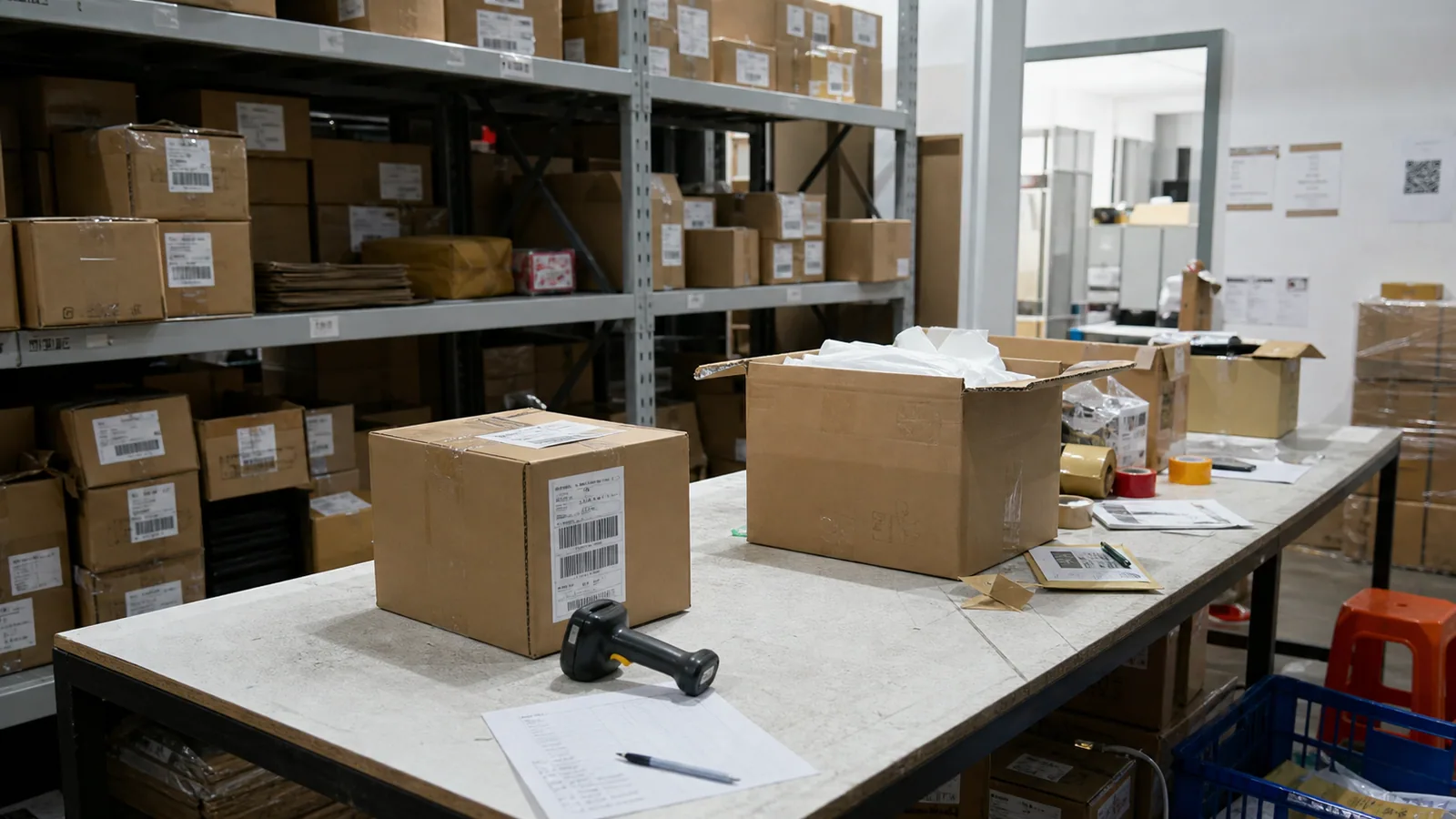
Receive before final route
A supplier estimate can start planning, but the final route should use received and packed measurements.
Risk boundaries
Route risks to keep visible
Service boundary
Use this page as a pre-payment decision aid
Supplymo does not guarantee the final order outcome.
This page helps expose missing fields, cost pressure, supplier risk, prep work, and route questions before supplier payment. It does not guarantee supplier quality, platform approval, customs clearance, final tax, final freight, delivery time, or sales performance.
Questions
Common decisions before requesting a quote
Should I choose air or sea freight from China?
Start with package data and urgency. Air or express is often reviewed for urgent, smaller, higher-value, or sample-first shipments. Sea or LCL is often reviewed for larger, less urgent, bulky, or replenishment shipments.
Is express the same as air freight?
No. Express courier, air freight, sea/LCL, and warehouse handoff can have different billing, pickup, delivery, customs, and receiving assumptions. Treat them as separate route scenarios.
When does sea freight make sense?
Sea or LCL deserves review when the shipment is larger, less urgent, bulky, or planned as inventory replenishment. It still needs carton data, product-risk review, and destination handling assumptions.
How does CBM affect air vs sea decisions?
CBM shows shipment volume. Large light goods can become expensive by air or express because volumetric weight can exceed actual weight. CBM is also important for sea/LCL planning and warehouse handoff.
Can Supplymo quote the exact freight price from this page?
No. This page prepares route readiness. Exact freight depends on packed dimensions, gross weight, route, product risk, carrier availability, destination rules, and quote timing.
Is DDP safer because duties are included?
Not automatically. DDP-style promises still need importer, customs entry, duty/tax proof, broker, product, and country-specific review. Supplymo does not treat all-inclusive freight as a compliance guarantee.
What if my supplier does not know carton data?
Treat the quote as low confidence. Ask for carton dimensions, carton count, and gross weight before payment, or plan to remeasure after China receiving.
Can this help with FBA, TikTok, or 3PL shipping?
Yes, as a readiness check. You still need labels, SKU mapping, carton rules, receiving rules, platform boundaries, and manual route review before handoff.
What should I submit for route review?
Submit product link, quantity, destination country or warehouse type, deadline, carton dimensions, carton count, gross weight, product-risk flags, prep needs, and any 3PL/FBA/TikTok receiving rules.
Related pages
Use the page that matches your next decision
The first check is free — a full written report is $29. See a sample report
Want a route review before booking air or sea?
Send the link, quantity, destination, SKU/options, carton data, and prep needs. Supplymo turns the tool result into a practical route decision before assisted ordering.